News
November 2025
Scaling CCS and Hydrogen: Reflections on 18 Months at Goal7
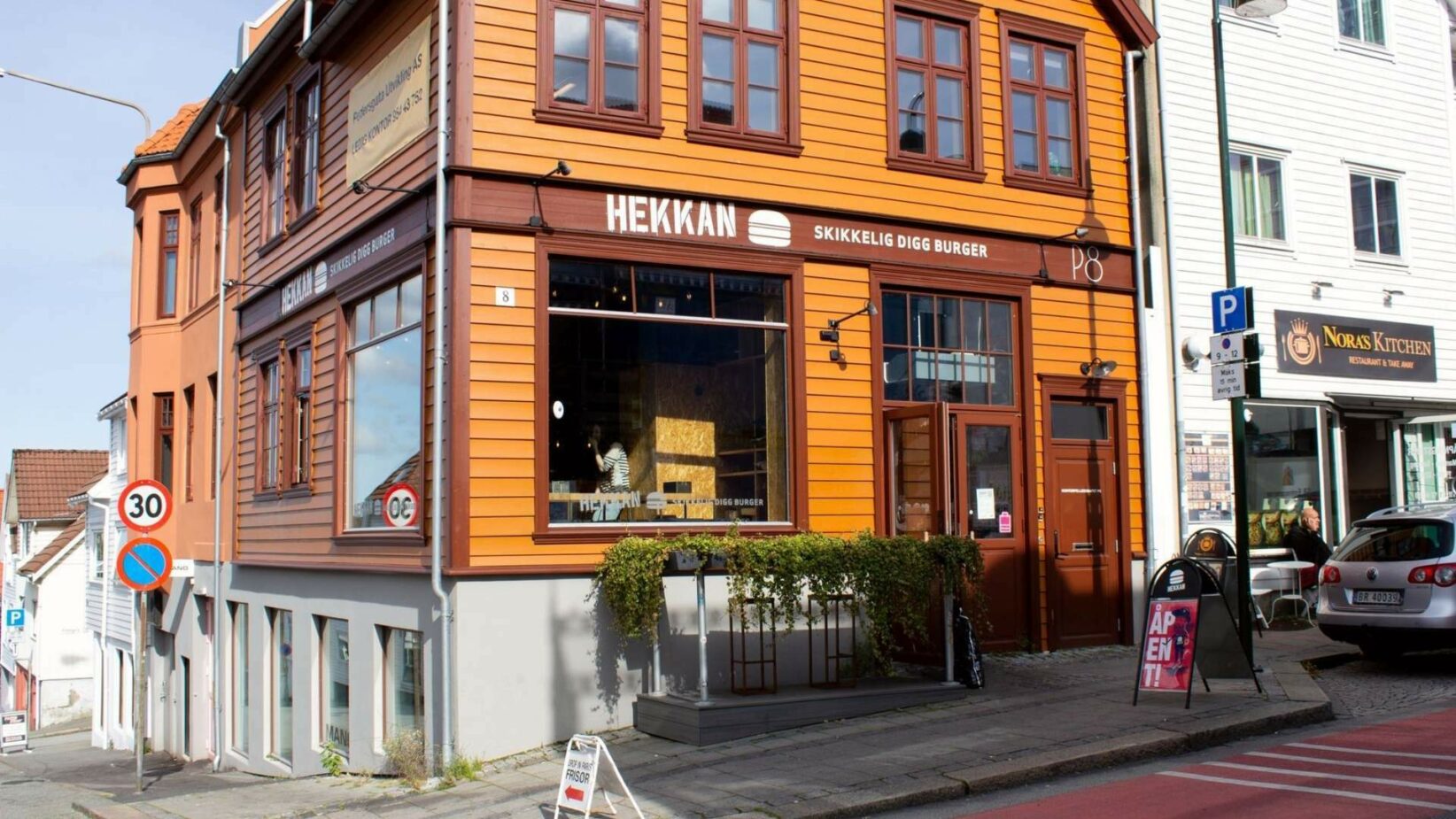
Sitting at Hekkan Burger in Stavanger the night before hosting a workshop on CO2 storage strategy, James Robinson and I reflected on how far Goal7 had come. We were there to work with our project partners, licence holders navigating the complex commercial landscape of carbon storage - exactly the kind of strategic challenge that drew me to the energy transition six years ago.
The conversation around the table went beyond reservoir capacity or injection rates. It was about business models, risk allocation, investment frameworks, and partnership structures. It was about translating technical potential into bankable propositions. And it struck me that this is where the energy transition truly accelerates, not only in laboratories or engineering departments, but through the commercial frameworks that unlock investment and scale deployment.
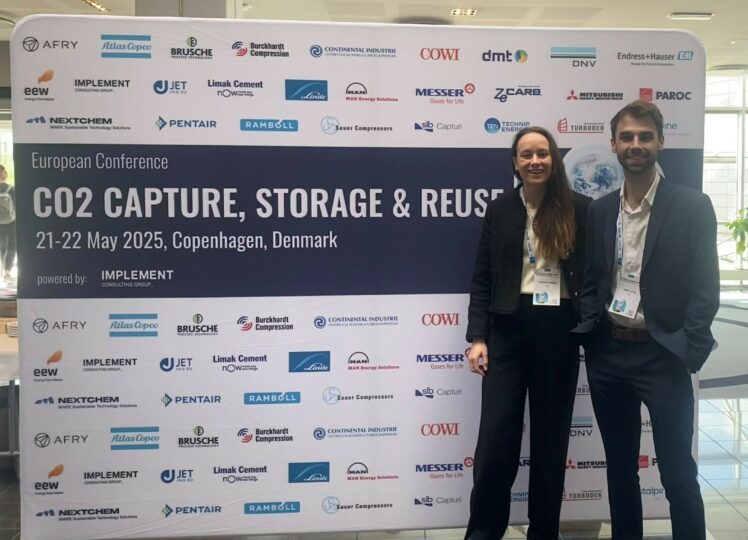
My journey started at Centrica. I had led strategy and transformation initiatives across British Gas and Centrica Business Solutions, including being part of the tiger team that built the renewable energy business unit, targeting a multi-GW development pipeline backed by hundreds of millions in investment. I also assessed opportunities to deploy capital in innovative hydrogen production technologies like Hiiroc. Today, several of those projects have reached FID and are energised, delivering clean power to the grid. Seeing that work come to fruition is immensely satisfying, proof that commercial frameworks can unlock clean generation at scale.
The natural next step was clear: could similar rigor accelerate the harder challenges? CCS, hydrogen transmission, industrial decarbonisation? Eighteen months ago, I joined Goal7 to do exactly that.
Since then, I have built economic models for CCS and investment in natural gas assets, drafted policy advocacy materials for government on non-pipeline transport of CO2, and delivered commercial value chain analysis across Europe. More importantly, I have worked alongside Goal7's talented technical team to build our commercial capabilities, bringing corporate strategy discipline to some of the most critical challenges in delivering net zero.
This is what I have learned along the way...
A Different Kind of Commercial Approach
The energy transition doesn't lack good projects, it lacks coordinated value chains that can reach FID together. A brilliant carbon storage project has limited value without CO2 sources ready to commit. A hydrogen production facility needs both feedstock supply and offtakers with bankable demand. This is where deployment stalls: individual components might stack up technically and commercially, but the interdependencies kill the project.
At Goal7, our distinctive capability is seeing the whole value chain and identifying early what needs to align for projects to succeed. This means working alongside brilliant engineers and scientists who understand these systems deeply, then mapping not just individual project economics but how partnerships need to be structured, risks allocated, and investment sequenced so that all parties can reach FID together.
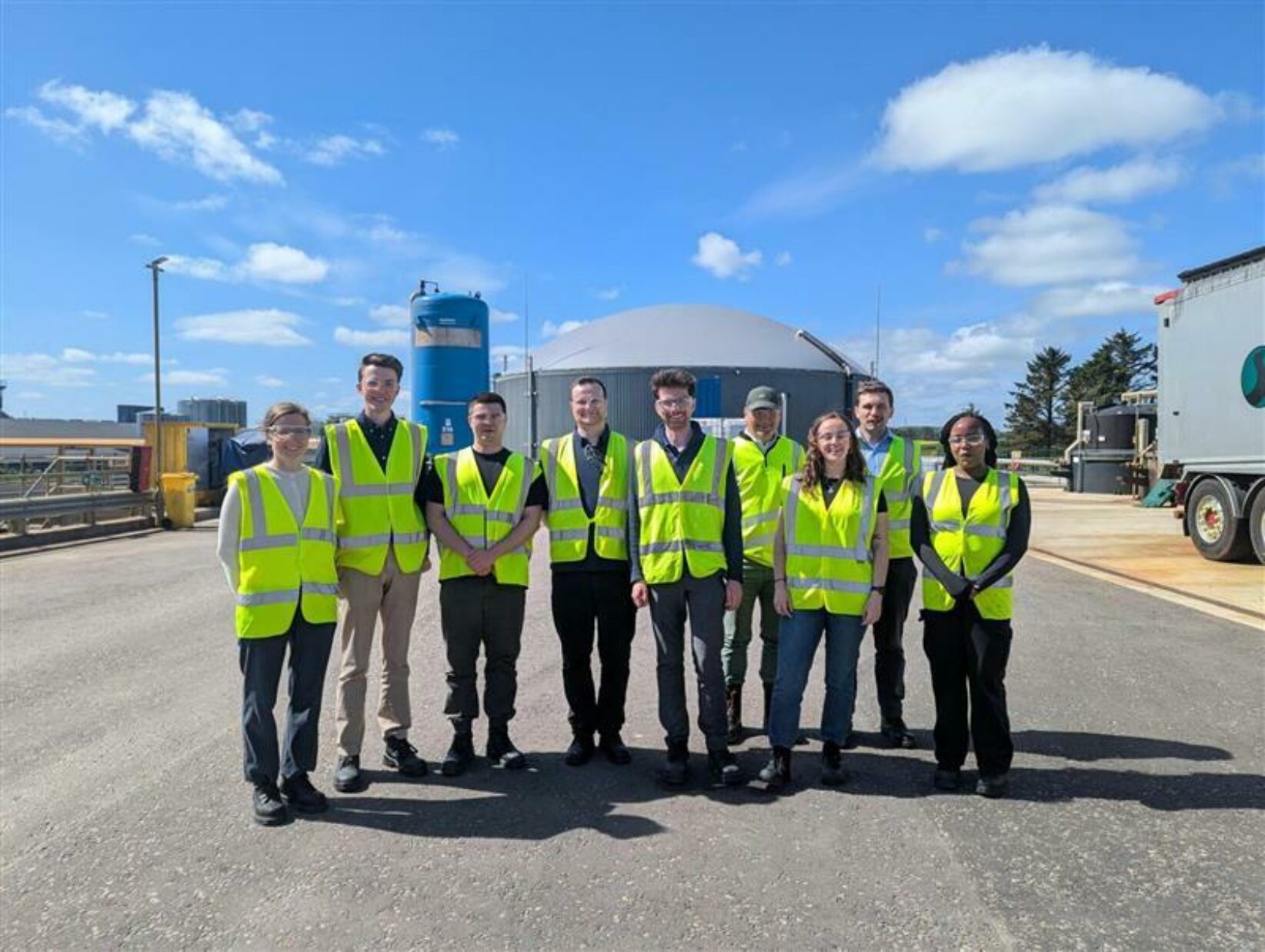
The breadth of work at Goal7 continues to surprise me. One week, we're facilitating commercial strategy workshops for an industrial emitter and CO2 storage licence holder, the next we're visiting BrewDog's anaerobic digestion plant, exploring how industrial biogas could decarbonise production. Cross-sector perspective matters: the fundamentals of industrial decarbonisation and value chain coordination are universal, even when the molecules differ.
What makes this approach work is building commercial fluency across the team. Goal7's economists, engineers, and analysts have breadth in their technical expertise. My role is helping translate that into strategic insight, spotting where value chains break down, understanding how partnership structures impact initiatives, and articulating technically driven solutions in ways that resonate with CFOs and investment committees. That combination of technical depth and commercial acumen is rare, and it's what clients engage us for: analysis and steer that helps orchestrate complex partnerships to deliver impactful projects. Building commercial fluency across the team is as important as any individual project I deliver on.
Building Capabilities That Scale
My role at Goal7 demands rapidly assimilating complex, interconnected information: emitter decarbonisation plans, storage developer timelines, evolving government policy, regulatory frameworks across jurisdictions, and commercial drivers from low carbon products to ETS pricing and CDR markets. Then there's infrastructure, evaluating CO2 transport terminals and pipeline economics, understanding how these pieces connect. I synthesise this into market development outlooks that inform strategy for emitters, infrastructure developers, and storage operators alike.
Doing this well at scale requires more than individual expertise, it requires building capability across the team by championing a rigorous, quality-first approach to analysis and research. This means standardised modelling frameworks with built-in checks, clear documentation, and outputs that are sound enough to withstand scrutiny. It means ensuring our work is tailored to each client's specific context, not cookie-cutter solutions dressed up as bespoke advice. We're not observers; we're in the weeds with them, understanding their specific challenges, and that approach has been central to building lasting client relationships and delivering impact that extends beyond individual projects.
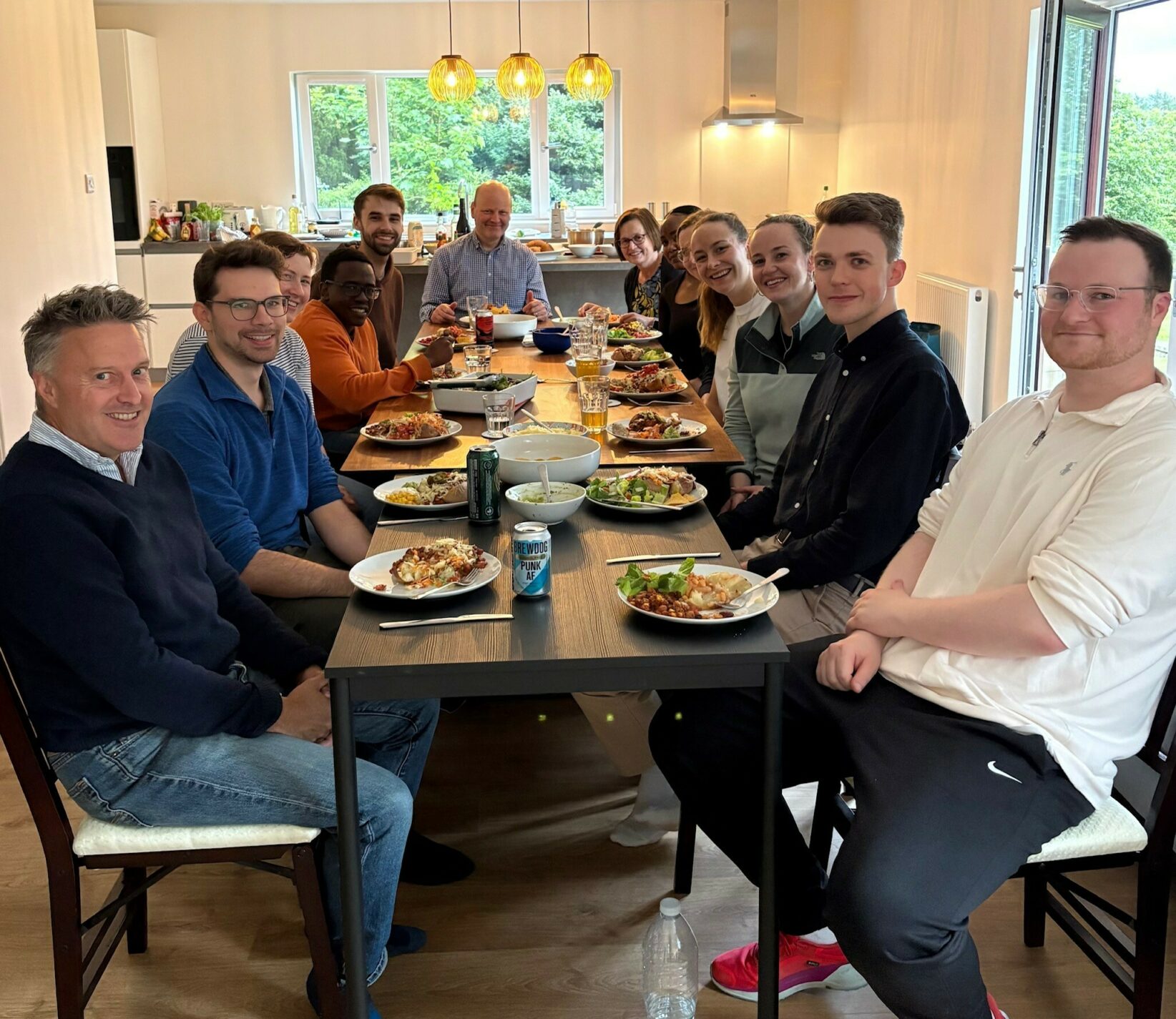
The result is great teams working together to deliver trusted, impactful analysis at pace, whether that's facilitating multi-party negotiations in Stavanger or rapidly assessing new policy announcements and advising clients on implications. That scalability is what allows Goal7 to deliver outsized impact.
Why This Matters
The privilege of this work is seeing it translate into real decisions. Our economic models inform board-level investment approvals, and commercial strategies shape partnership negotiations. Our value chain analysis helps clients navigate the gap between ambition and bankable projects, and increasingly, they're closing that gap.
What excites me most is the inflection point we're approaching. CCS and hydrogen are moving from demonstration projects to commercial-scale deployment. Business models are crystallising, regulatory frameworks are taking shape, and capital is flowing. The next phase demands even more sophisticated commercial thinking, understanding how carbon markets interact with industrial policy, how hydrogen infrastructure secures financing at scale, how first movers create value or risk becoming stranded.
Having built strategic capabilities across traditional energy and now deep into the transition at Goal7, I'm motivated by the complexity ahead. The stakes are high, and the learning never stops. On the flight home from Stavanger following a successful workshop with colleagues and clients, I was reminded why I made this leap 18 months ago.
The harder the puzzle, the more valuable the solution. And there's no shortage of hard puzzles to solve.